
Spain’s coffee culture is a vibrant part of daily life, deeply rooted in tradition. Unlike other European countries, Spaniards often enjoy their coffee as a social ritual, savoring it slowly in local cafés. Café con leche, a blend of espresso and steamed milk, stands out as the most popular choice.
One of the best things about spanish coffee is its affordability. With prices ranging from €1.50 to €2, it’s a budget-friendly treat compared to international chains. Embracing this local habit can enrich your travel experience, making you feel like a true Spaniard.
As Ana Botella famously said, a “relaxing cup of café con leche” embodies the essence of Spanish culture. To fully immerse yourself, learning a few ordering phrases and understanding the etiquette can make all the difference.
Key Takeaways
- Spain’s coffee culture is a daily ritual, distinct from other European habits.
- Café con leche is the most popular drink among locals.
- Spanish coffee is affordable, typically costing €1.50 to €2.
- Ordering like a local enhances your travel experience.
- Learning basic phrases and etiquette is essential for a seamless experience.
Introduction to Spanish Coffee Culture
In Spain, coffee is more than just a drink; it’s a way of life. Spaniards often gather at local bars or cafés to enjoy their favorite brews, turning a simple cup into a social event. Unlike the fast-paced coffee culture in other countries, here, it’s all about savoring the moment.
One thing that sets spanish coffee apart is its espresso-based tradition. While Americans might prefer drip coffee and the British lean toward tea, Spaniards embrace the bold, intense flavors of espresso. This tradition dates back centuries and remains a cornerstone of their daily routine.
Another unique aspect is the use of torrefacto beans. These sugar-roasted beans create a slightly bitter yet rich flavor profile, adding depth to every sip. This method, though less common globally, is a cherished part of coffee spain culture.
You’ll also notice that to-go cups are rare. Spaniards prefer to enjoy their coffee in-house, often standing at the bar or sitting at a café table. This practice reflects their emphasis on relaxation and connection.
Finally, regional pride plays a big role. From bustling Madrid to coastal Valencia, each area takes pride in its coffee preparation, ensuring every cup is a memorable experience.
Understanding the Basics of Spanish Coffee
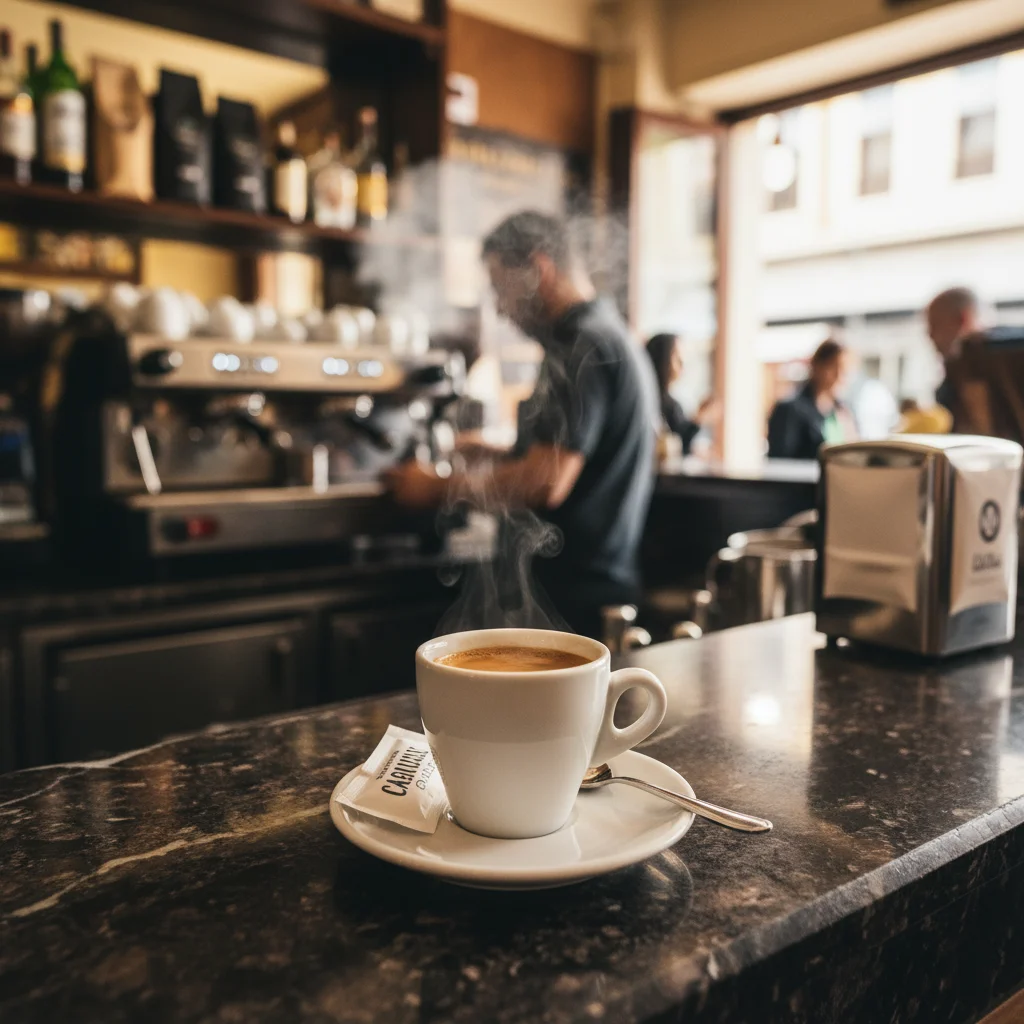
Espresso is the heart of every coffee drink in Spain, setting the tone for a rich experience. Unlike other countries, filter coffee is rare in traditional settings. Instead, the espresso reigns supreme, forming the base for all beverages.
When it comes to milk, you have options. You can request it caliente (hot), templada (warm), or frío (cold). This flexibility allows you to customize your drink to your preference. Just specify your choice when ordering.
Cup sizes also vary. A corto (short) shot is intense and concentrated, while a largo (long) shot is milder and more diluted. Both are served in either a glass (vaso) or a ceramic cup (taza), depending on the café.
You’ll find coffee machines in every bar and café, ensuring consistency in every cup. These machines are a staple, reflecting the importance of quality in Spanish coffee culture.
Be cautious with mezcla blends. These mix natural and torrefacto beans, creating a unique flavor profile. While some enjoy the slight bitterness, others may prefer pure natural beans.
How to Order a Coffee in Spain
Navigating the coffee scene in Spain can be a delightful experience if you know the ropes. Whether you’re at a bustling bar in Madrid or a cozy café in Valencia, a few essential phrases and tips can make all the difference.
Essential Phrases for Ordering
To blend in like a local, start with the classic: “Un café con leche, por favor” (pronounced “cah-FEH kohn LEH-cheh”). This means “a coffee with milk, please.” If you prefer something stronger, try “Un café solo” (espresso).
Waiters might ask, “¿De máquina o de sobre?” This refers to whether you want freshly brewed or instant coffee. For decaf, specify “descafeinado de máquina” to avoid instant options.
Common Mistakes to Avoid
One common error is ordering a “latte.” In Spanish, this simply means “milk.” Instead, use “café con leche” to get the right drink. Also, don’t assume sugar is included—it’s always served separately.
Regional naming differences can also trip you up. For example, in Madrid, a “manchado” is mostly milk with a splash of coffee, while in Valencia, it might be called something else. Always clarify if unsure.
“Knowing the right words can turn a simple coffee order into a cultural experience.”
| Phrase | Meaning |
|---|---|
| Un café con leche | Espresso with steamed milk |
| Un café solo | Plain espresso |
| Descafeinado de máquina | Freshly brewed decaf |
By mastering these phrases and avoiding common pitfalls, you’ll enjoy your coffee experience in Spain to the fullest. Whether you’re in a bar or a café, ordering like a local will make you feel right at home.
Popular Types of Coffee in Spain
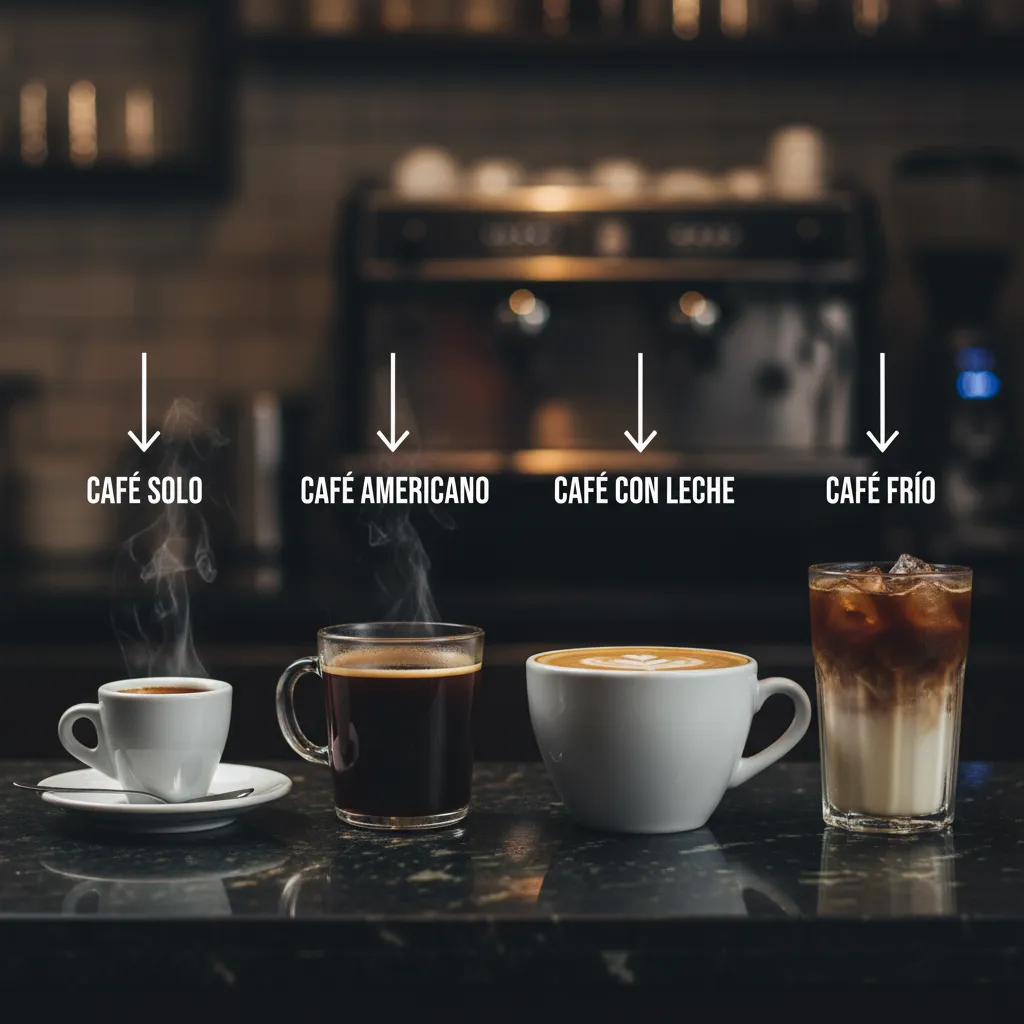
Spain offers a variety of coffee styles, each with its own unique charm. Whether you prefer creamy blends or bold shots, there’s something for everyone. Understanding these options can help you order with confidence and enjoy the local café culture to the fullest.
Café con Leche: The Classic Choice
Café con leche is a staple in Spanish cafés. Made with equal parts espresso and steamed milk, it’s similar to a latte but with less foam and no added flavors. This balanced drink is perfect for those who enjoy a smooth, creamy texture with a hint of boldness.
Café Solo: The Espresso Experience
For a pure, intense flavor, try café solo. This is a straight shot of espresso, often served in a small cup. It’s the foundation for many custom orders and is ideal for those who appreciate the rich, concentrated taste of coffee.
Café Cortado: A Balanced Option
If you want something in between, cortado is a great choice. It’s an espresso with just a dash of milk, softening the intensity without overpowering the flavor. This drink is perfect for those who find espresso too strong but still want a bold taste.
- Café con leche is 50% espresso and 50% milk, offering a creamy yet bold experience.
- Café solo is a pure espresso shot, ideal for those who love intense flavors.
- Cortado adds a touch of milk to espresso, creating a balanced drink.
- Regional variations exist, like Barcelona’s preference for stronger brews.
These popular options showcase the diversity of Spanish coffee. Whether you’re a fan of creamy blends or bold shots, there’s a drink to suit your taste. Exploring these choices is a great way to immerse yourself in the local culture.
Specialty Coffee Drinks in Spain
Spain’s specialty coffee scene offers unique flavors that go beyond the usual espresso. From bold combinations to sweet indulgences, these drinks are a testament to the country’s creativity and tradition. If you’re looking to try something little different, these options are a must.
Carajillo: Coffee with a Kick
One standout type of drink is the carajillo, a blend of espresso and liquor. Typically made with brandy or whiskey, it’s often served as a post-meal digestif. A twist of lemon peel adds a refreshing touch, making it a favorite among locals.
When ordering, specify your liquor preference, such as “con brandy” for brandy or “con whiskey” for whiskey. This ensures you get the flavor profile you desire. For a milder version, try the trifásico, which includes milk for a creamier texture.
Café Bombón: A Sweet Treat
If you have a sweet tooth, café bombón is the perfect choice. This drink layers espresso over sweetened condensed milk, creating a rich and indulgent experience. Popular in Valencia, it’s often served in a glass to showcase its beautiful layers.
However, be mindful of its high sugar content. For health-conscious travelers, it’s best enjoyed as an occasional treat. Pair it with a light snack to balance the sweetness.
These specialty drinks highlight Spain’s ability to innovate while staying true to its coffee roots. Whether you prefer a bold kick or a sweet sip, there’s something for everyone to enjoy.
Decaffeinated and Alternative Options
For those who prefer caffeine-free options, Spain offers a range of decaf and alternative drinks. Decaf coffee, known as descafeinado, is widely available but often comes in instant form unless you specify “de máquina” for freshly brewed. This distinction is crucial for getting the best taste.
In smaller towns, decaf options might be limited. Always ask for descafeinado de máquina to avoid instant versions. Machine-brewed decaf has a richer flavor compared to the instant type, which can taste watered down.
If you’re not a fan of coffee, Spain has plenty of herbal alternatives. Popular choices include manzanilla (chamomile) and té negro (black tea). These are often served with a slice of lemon or a splash of honey for added flavor.
- Manzanilla: A soothing herbal tea, perfect for relaxation.
- Té negro: A classic black tea, often enjoyed with milk or sugar.
- Menta poleo: A refreshing mint tea, ideal for digestion.
For those who enjoy making coffee home, consider buying mezcla beans from local supermarkets. These blends of natural and torrefacto beans offer a unique flavor profile that’s distinctly Spanish.
Be aware that even café con leche descafeinado contains trace amounts of caffeine. If you’re highly sensitive, stick to herbal teas or other caffeine-free options available in shops and cafés.
Seasonal and Iced Coffee Variations
When the summer heat hits, Spaniards turn to refreshing coffee ice creations. One of the most popular options is café con hielo, a simple yet satisfying way to enjoy coffee during warmer months. This drink is served as a shot of espresso alongside a separate glass of ice, allowing you to pour the coffee over the ice yourself.
Adding sugar before pouring the coffee is a common ritual. This ensures the sweetness blends perfectly as the ice melts. For a creamier version, try café con hielo con leche, which includes a splash of milk for a smoother texture.
Unlike international iced lattes, Spanish iced coffee is less sweet and milky. It focuses on the bold flavor of espresso, making it a favorite among locals. Pair it with a pastry for a traditional merienda (afternoon snack) to complete the experience.
The Perfect Summer Drink
Café con hielo is more than just a drink—it’s a summer tradition. The ritual of pouring espresso over ice adds a personal touch, making it a unique way to enjoy coffee. This method also ensures the coffee stays strong and flavorful, even as the ice melts.
However, iced coffee is rarely available outside the summer months. If you’re visiting Spain during warmer seasons, don’t miss the chance to try this refreshing treat. It’s a perfect way to cool down while embracing local coffee culture.
| Drink | Description |
|---|---|
| Café con Hielo | Espresso poured over ice, often with added sugar. |
| Café con Hielo con Leche | Espresso with milk, poured over ice for a creamier texture. |
Tips for Ordering Coffee in Different Settings
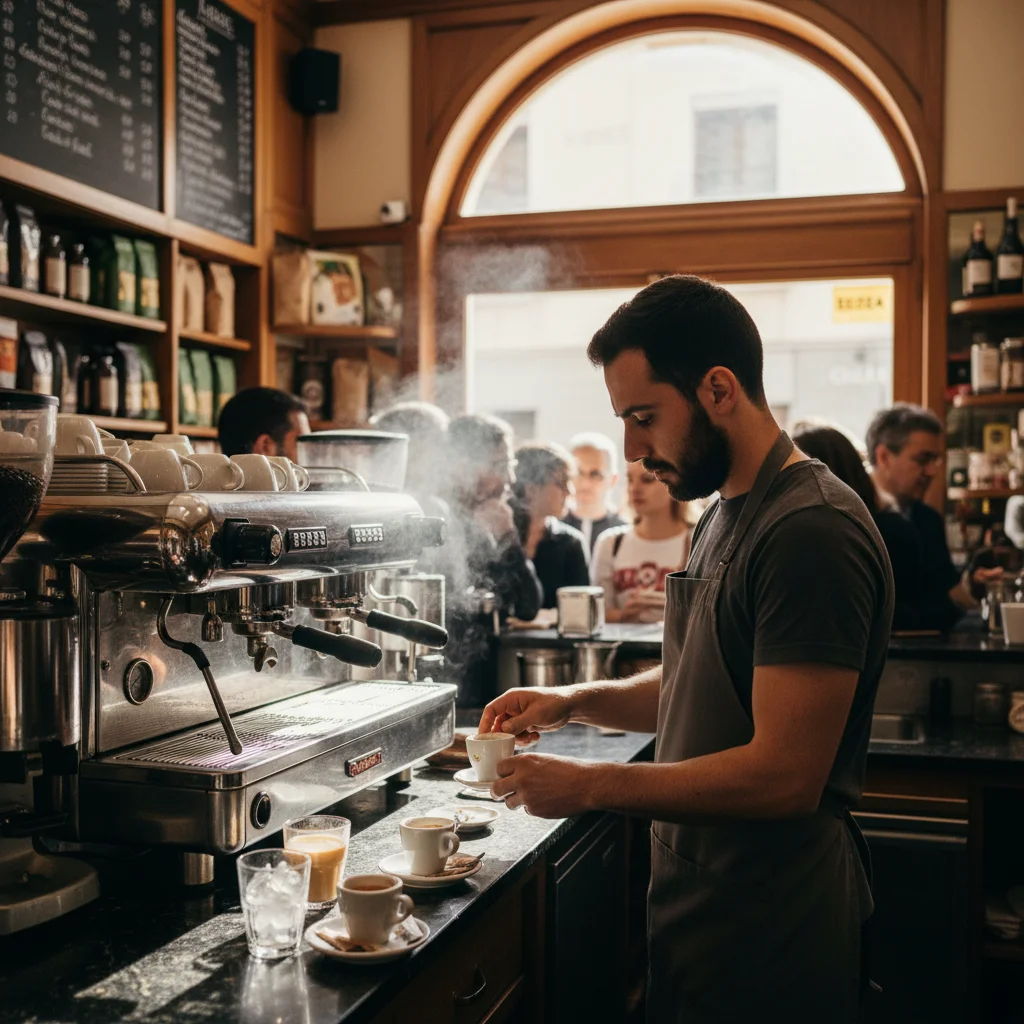
Understanding where to enjoy your brew can enhance your Spanish coffee experience. Whether you’re in a bustling bar or a cozy café, each place offers a unique vibe and set of customs. Knowing the differences can help you navigate these coffee shops like a local.
Ordering Coffee in a Bar
Bars in Spain are known for their quick service and lively atmosphere. When ordering coffee here, it’s common to pay first, especially during busy hours. This ensures a smooth process and avoids delays.
Standing at the counter is the norm, and your drink will often arrive in a small cup. Morning deals, like the desayuno combo, include a coffee with toast or a croissant for under €3. Avoid peak hours (8-10 AM) for faster service.
Ordering Coffee in a Café
Cafés, on the other hand, encourage longer stays and a more relaxed experience. These coffee shops are ideal for specialty drinks like vienés, which features whipped cream. Upscale cafés may even offer international options like flat whites.
Here, you can sit at a table and savor your drink. It’s a great spot to enjoy a quiet moment or catch up with friends. Remember, the café culture is about taking your time and enjoying the experience.
Cultural Etiquette Around Coffee in Spain
Understanding the etiquette around coffee in Spain can enrich your visit. Spaniards view coffee as a social thing, often enjoyed in cafés or bars rather than on the go. Taking your time to savor the moment is key to embracing the local way.
One unique aspect is the unspoken rule against requesting refills. Unlike in some countries, coffee in Spain is meant to be enjoyed slowly, not rushed. This reflects the emphasis on relaxation and connection.
Regional customs add to the experience. In Granada, for example, ordering a coffee often comes with free tapas. This tradition makes the coffee spain experience even more special.
Afternoon coffee, typically after 4 PM, is less common but still acceptable. Spaniards usually prefer their coffee in the morning or after meals. Late-night coffee is rare, as dinner often ends past 10 PM.
Here’s a quick guide to cultural norms:
| Aspect | Etiquette |
|---|---|
| Socializing | Take your time; coffee breaks are for chatting. |
| Refills | Uncommon; savor your drink slowly. |
| Regional Customs | Free tapas in Granada with coffee orders. |
| Timing | Afternoon coffee is less common; late-night coffee is rare. |
By respecting these customs, you’ll make coffee a memorable part of your Spanish adventure. Whether you’re standing at the bar or sitting at a table, the experience is about connection and tradition.
Conclusion
Exploring the world of spanish coffee is a journey into tradition, flavor, and connection. From mastering café con leche to practicing essential phrases, these small steps can make a big difference in your experience. Don’t miss the chance to try unique drinks like carajillo or café bombón for an authentic taste of local culture.
Remember, coffee in coffee spain is about savoring the moment. Embrace the slower pace and enjoy the social ritual. Whether you’re standing at a bar or sitting in a café, let the rhythm of Spanish life guide you.
For those eager to dive deeper, consider visiting Hablamos Spanish Schools or joining a Food Lover Tour. These experiences offer immersive ways to connect with the culture and its traditions. Now, ¡vamos a tomar un café!
FAQ
What is the most popular coffee in Spain?
The most popular coffee in Spain is café con leche, a mix of espresso and steamed milk. It’s a classic choice for locals and travelers alike.
How do I ask for decaf coffee in Spain?
Simply ask for café descafeinado. Most places offer decaf options, so you can enjoy your coffee without the caffeine.
What’s the difference between café solo and café cortado?
Café solo is a straight shot of espresso, while café cortado is espresso with a small amount of steamed milk to balance the flavor.
Can I get iced coffee in Spain?
Yes! Ask for café con hielo, which is espresso served with a glass of ice. It’s refreshing, especially during the summer months.
What is a café bombón?
Café bombón is a sweet treat made with espresso and condensed milk. It’s perfect if you have a sweet tooth.
Are there specialty coffee drinks in Spain?
Absolutely! Try a carajillo, which is espresso with a splash of liquor like brandy or rum. It’s a popular after-meal drink.
How do I order coffee in a Spanish bar?
Approach the counter, say your order clearly (e.g., “Un café con leche, por favor”), and pay after you’ve enjoyed your drink.
What’s the best time to drink coffee in Spain?
Locals often enjoy coffee in the morning or after meals. Avoid ordering a café con leche late in the evening, as it’s considered a morning drink.
Can I customize my coffee order in Spain?
Yes, you can! For example, ask for leche fría (cold milk) if you prefer your coffee less hot or specify the amount of milk you’d like.
Is tipping expected when ordering coffee in Spain?
Tipping isn’t mandatory, but leaving small change as a gesture of appreciation is always welcomed.